Event · the coup of 28 Mordad
19 August 1953: five days, many stories
Just before midnight on 15 August 1953 a colonel took the shah’s decree to the prime minister’s house and was arrested. Four days later the same decree was carried out with tanks. Between those two nights the CIA, the shah, army officers, clerics, the Tudeh party and the people of Tehran each played a part.
This page sets the common stories about those days, from Mosaddeq’s supporters, the shah’s and the Islamic Republic’s, one by one against the evidence. Where scholars disagree, we give both views. Our own reading is kept apart and labelled.
- Date
- 15–20 August 1953
- Place
- Tehran, Ramsar and Kelardasht
- Code name
- TPAJAX / Boot
- Outcome
- Mosaddeq out, Zahedi prime minister
From Kelardasht to Kakh Street
Day by day
You can also change days with the arrow keys.
Monday–Tuesday 17–18 August
Streets full of republican slogans, some of them staged.
17–18 Aug
The fake “Tudeh” Secure
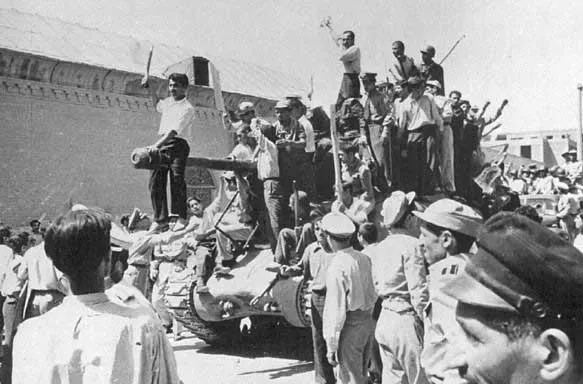
CIA agents (Nerren, Cilley and the Rashidian brothers) hired crowds to pose as Tudeh members. Their marches raised fear of a Tudeh takeover, and many real Tudeh members joined in. Statues of Reza Shah were pulled down.
17 Aug
Mosaddeq’s order to the army Secure
The government ordered the army and police to find Zahedi. He was still in the safe house.
Sources:Mark J. Gasiorowski
Evening 18 Aug
Henderson meets Mosaddeq Secure
Loy Henderson, the U.S. ambassador, newly back in Tehran, complained to Mosaddeq of attacks on Americans. Mosaddeq ordered police and army to restore order, and both he and the Tudeh party asked their supporters to stay off the streets.
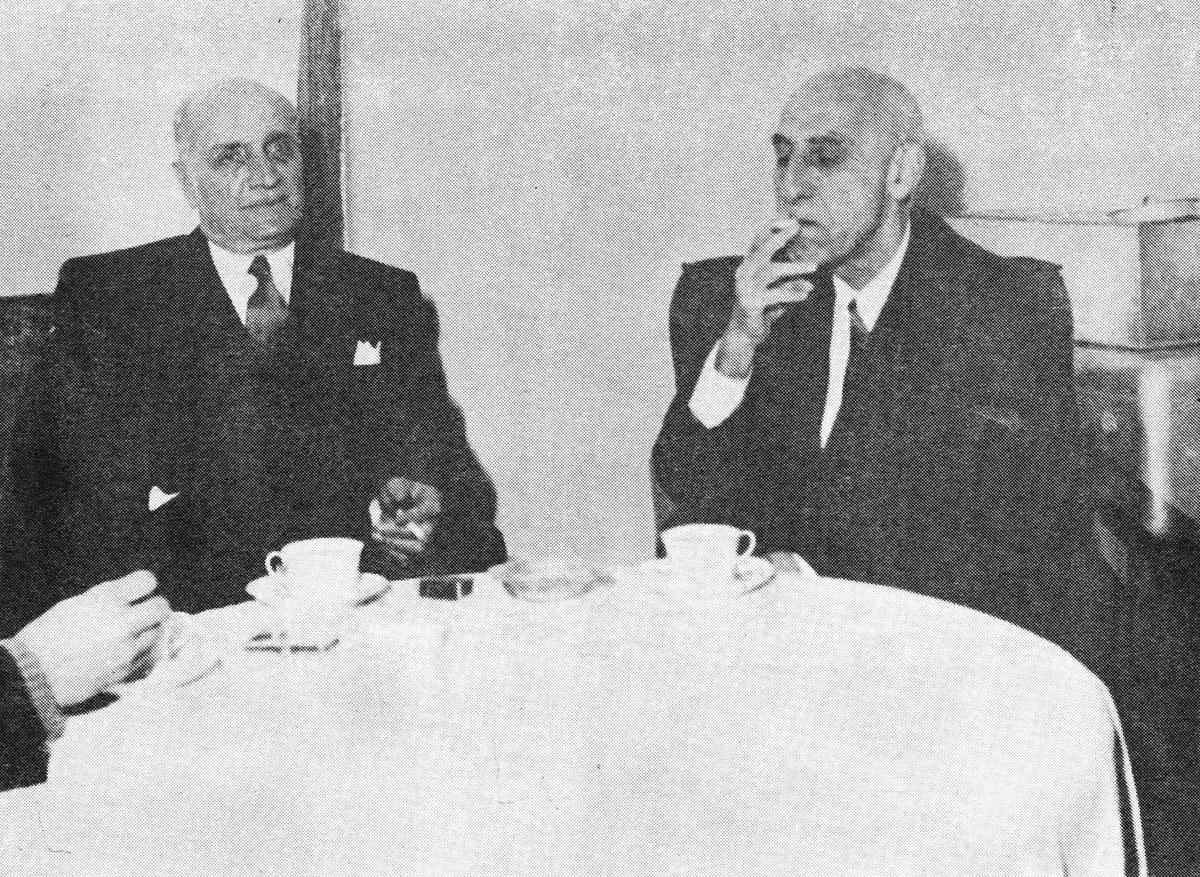
Mosaddeq and Loy Henderson Night 18 Aug
Washington gives up hope Probable
According to Wilber’s history, CIA headquarters regarded the operation as failed in these days and sent word to end it. Roosevelt carried on.
Who did what
The cast
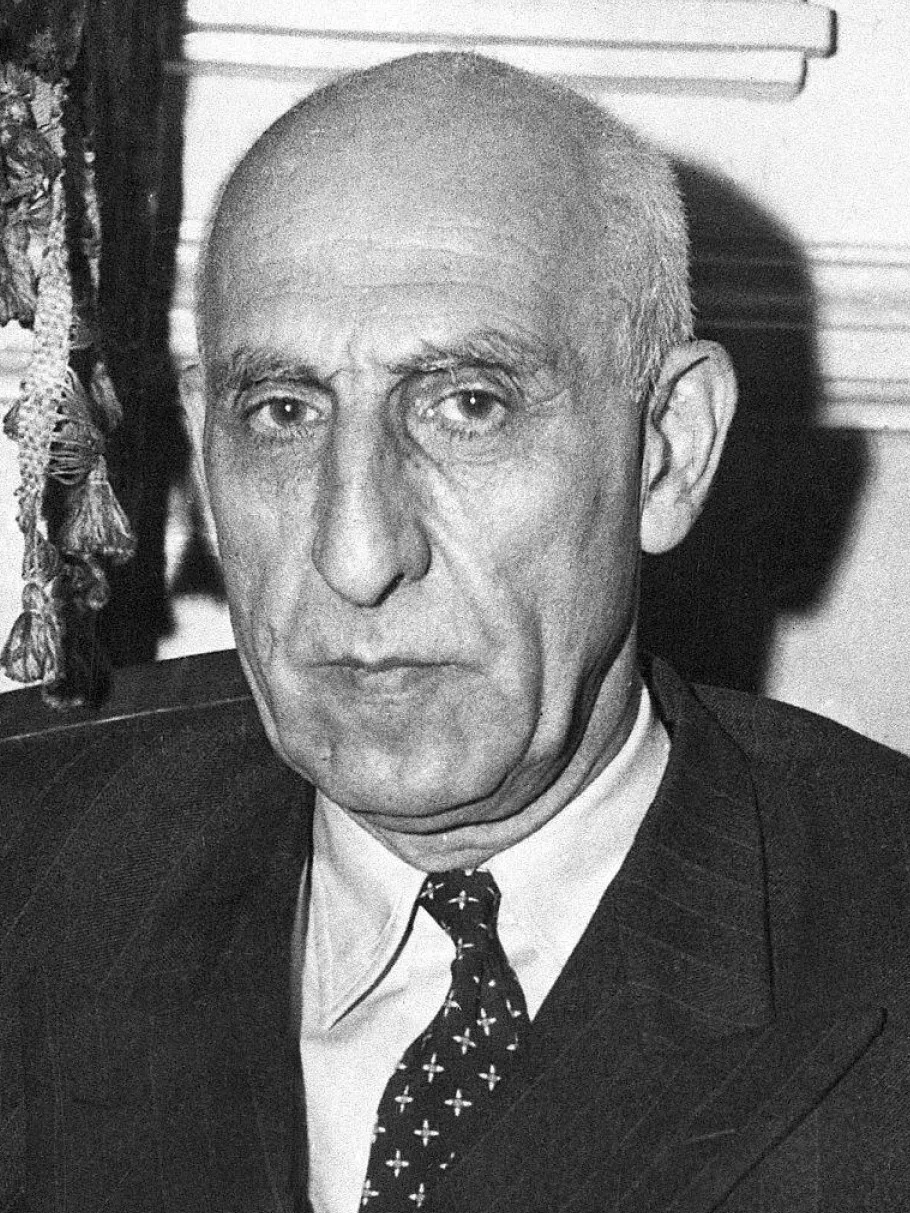 Mohammad MosaddeqPrime minister 1951–53Disputed
What they did
Leader of the National Front and of oil nationalisation. Refused the dismissal decree and arrested the shah’s envoy. Dissolved the Majles by referendum.
To some a symbol of democracy and independence; to others a politician who went beyond the constitution with emergency powers and a referendum.
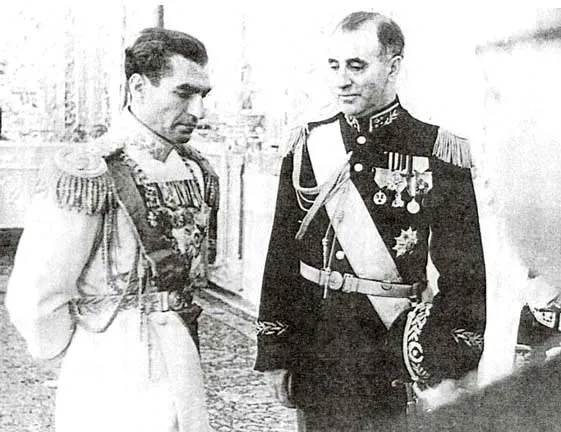 Mohammad Reza ShahThe shah
What they did
After months of hesitation he signed the decrees. When the first attempt failed he left for Baghdad and Rome, and returned after 19 August.
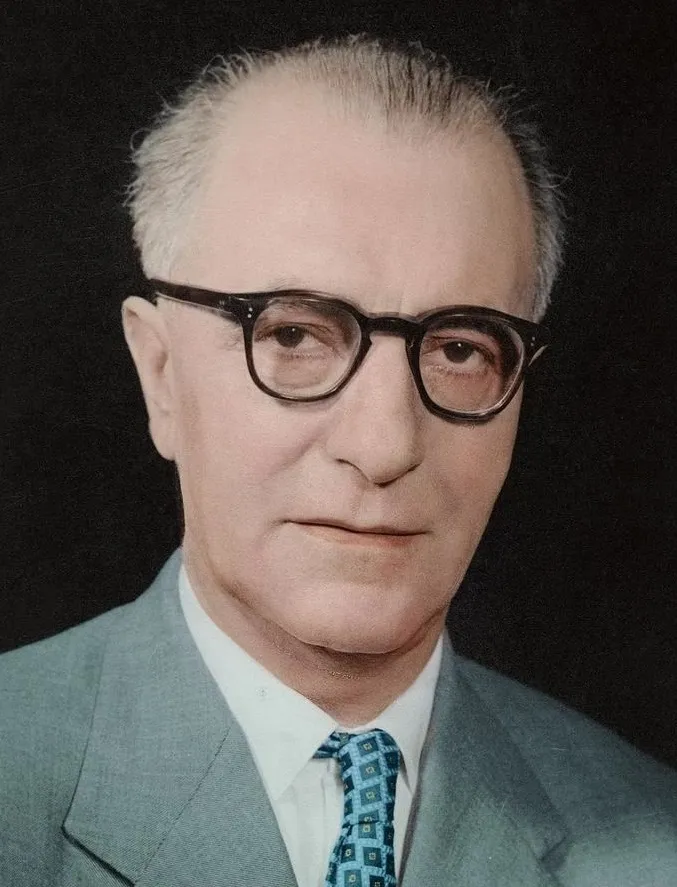 Fazlollah ZahediRetired general, prime minister after the coup
What they did
From 1952 he worked against Mosaddeq with the Rashidian brothers. He was the CIA and MI6 candidate for prime minister, and hid in a CIA safe house from 16 to 19 August.
Sources:Mark J. Gasiorowski
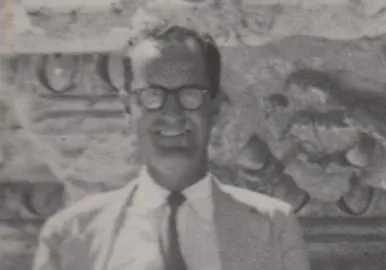 Kermit Roosevelt Jr.CIA Near East division chiefDisputed
What they did
Field commander of the operation in Tehran. After the failure of 15 August he improvised a second plan and carried on.
His own memoir (1979) magnifies the CIA’s role; revisionists see exaggeration.
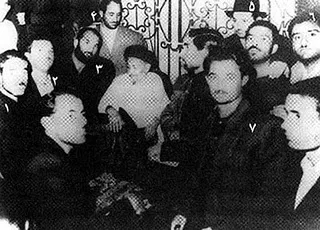 Abol-Qasem KashaniAyatollah, former Majles speakerDisputed
What they did
Mosaddeq’s ally over oil, then his opponent from 1952. In July 1953 he lost the Majles speakership by 41 votes to 31.
His part on 19 August is disputed: Gasiorowski says the crowd was “apparently” hired by Kashani and Behbahani; other accounts give him a smaller role.
Sources:Mark J. GasiorowskiMark J. GasiorowskiKambiz Fattahi
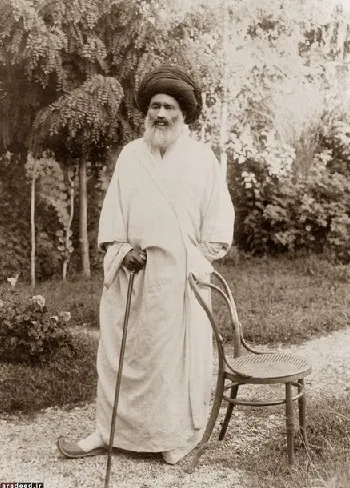 Mohammad BehbahaniTehran ayatollah
What they did
A royalist cleric. Roosevelt’s post-coup memos mention government payments to him.
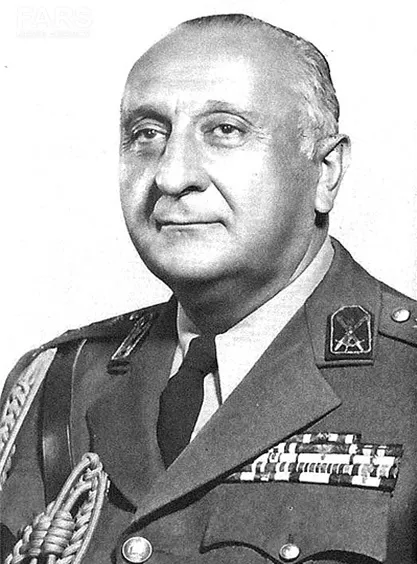 Nematollah NasiriColonel, Imperial Guard
What they did
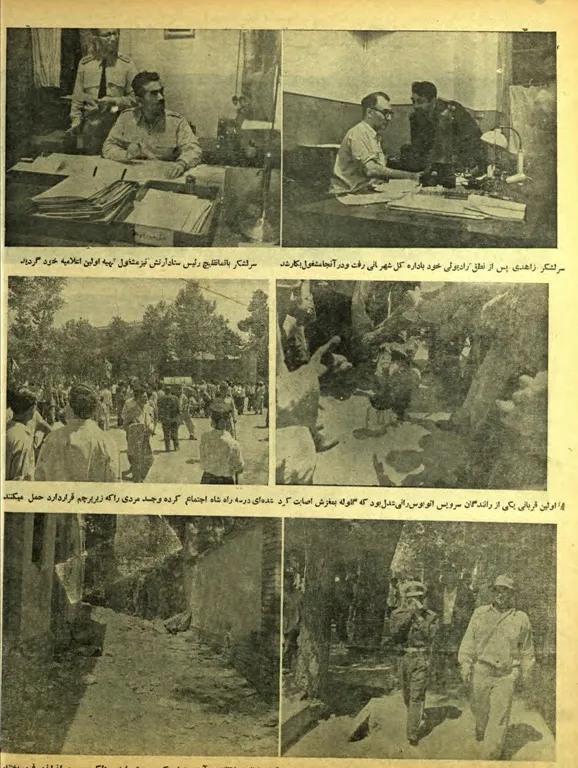
Carried the dismissal decree on 15 August and was arrested. Later head of SAVAK.
Sources:Mark J. Gasiorowski
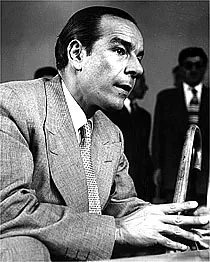 Hossein FatemiForeign minister
What they did
Briefly seized on the night of 15 August; afterwards spoke most harshly against the shah. Executed after the coup.
Loy HendersonU.S. ambassador
What they did
Met Mosaddeq on the evening of 18 August, after which Mosaddeq had the streets cleared.
The Tudeh partyPro-Soviet communist party
What they did
Opposed Mosaddeq until July 1952. Its officers’ network reached deep into the army. It warned Mosaddeq of the plot but stayed off the streets on 19 August.
Shaban JafariTehran strongmanDisputed
What they did
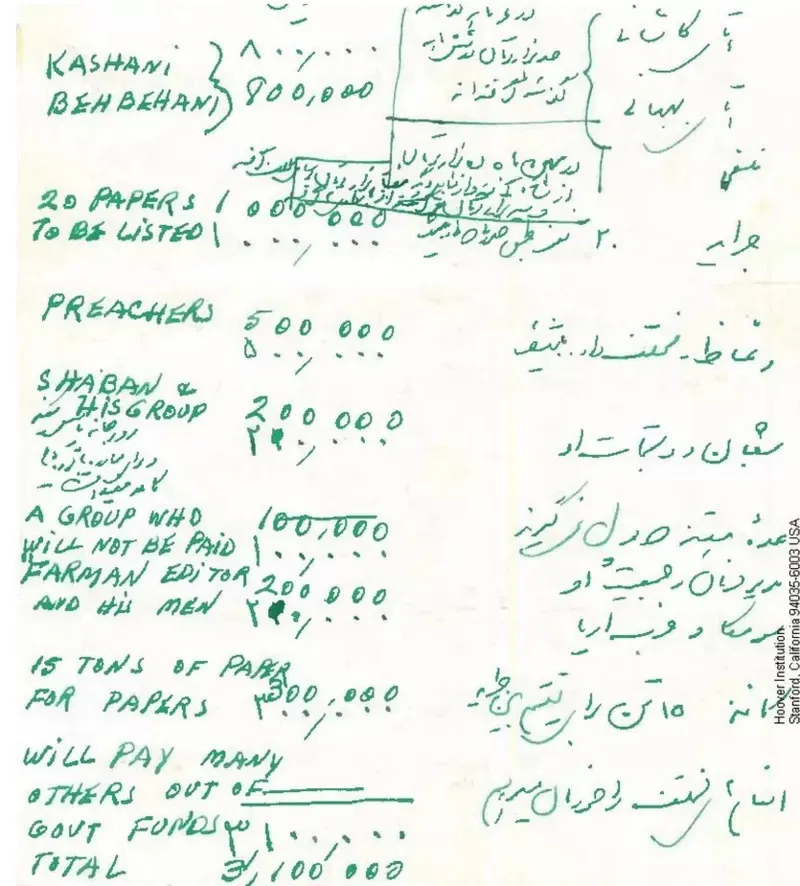
An emblem of the royalist crowd. A note in the Zahedi papers lists 200,000 rials for “Shaban and his group”.
In his memoir he said he was in prison on 19 August; some scholars accept this and others reject it.
Sources:Kambiz FattahiAli Rahnema
Distortion, half-truth, or open question
Stories and evidence
Each card is a common story and says where it comes from. Open a card for the evidence and its sources. Stories from both sides are here.
The list of claims comes from the “religion-and-freedom” repository (its 28 Mordad section); the evidence on each card comes from scholarly sources, not from that repository.
- Partly true01
Claim
«Before the coup, Iran was a stable democracy.»
Told by: A common pro-Mosaddeq story
See the evidence ▾
Evidence
The period had a free press and real elections in the big cities. It also had political assassinations (Hazhir 1949, Razmara 1951, Afshartus 1953), short-lived cabinets, an oil embargo and covert British interference.
Gasiorowski writes that Britain tried continuously from 1951 to remove Mosaddeq, and Zahedi and his allies worked against him in the Majles, the army and the National Front.
- Evidence contradicts02
Claim
«The coup was 100% American and British; Iranians played no part.»
Told by: A common story, especially in Islamic Republic official history
See the evidence ▾
Evidence
The shah signed the decrees. Zahedi, army officers, clerics such as Kashani and Behbahani, Tehran strongmen, bazaar merchants and citizens who feared the Tudeh or had lost faith in Mosaddeq all played a part on 19 August.
Even Gasiorowski, who holds the CIA role decisive, writes of citizens who “had become disillusioned with Moṣaddeq” and of police and army units joining in.
Sources:Mark J. GasiorowskiMark J. Gasiorowskiwhatisrealfreedom
- Evidence contradicts03
Claim
«The CIA had no role; 19 August was purely a national uprising.»
Told by: A common royalist story
See the evidence ▾
Evidence
In 2013 the CIA formally acknowledged, in its history “The Battle for Iran”, that it helped plan and carry out the coup. The State Department’s FRUS volume (2017) publishes the operation’s records.
The CIA drafted the decrees, hid Zahedi, hired the fake “Tudeh” crowds and paid to buy deputies (Gasiorowski 2004: about $11,000 a week). A note in the Zahedi papers at the Hoover Institution lists 800,000 rials for “Kashani and Behbahani” and 200,000 for “Shaban and his group”.
The other view
Revisionists (Bayandor, Takeyh) accept that the CIA acted, but argue its effort failed and domestic forces decided 19 August. That is not a claim of “no role”.
Sources:Malcolm Byrne (ed.)U.S. Department of StateMark J. GasiorowskiMark J. GasiorowskiKambiz FattahiDarioush BayandorRay Takeyh
- Disputed by scholars04
Claim
«Mosaddeq stayed within the constitution throughout.»
Told by: A common pro-Mosaddeq story
See the evidence ▾
Evidence
Mosaddeq took law-making powers from the Majles, for which the constitution had no provision. In July 1953 his deputies resigned to deny the Majles a quorum, and he dissolved it through a referendum with separate yes and no booths.
The 1949 amendment (Article 48) gave the power to dissolve the Majles to the shah, not the prime minister. A CIA memo in FRUS calls the referendum illegal for that reason, and Arjomand, citing Azimi, calls it unconstitutional.
The other view
Mosaddeq’s supporters, and scholars such as Azimi and Katouzian, reply that the 17th Majles had been paralysed by British and court money. Gasiorowski himself says Mosaddeq’s claim that nearly half the deputies were on the British payroll may well have been true.
Sources:U.S. Department of StateConstituent Assembly of Iran (UK FO translationSaïd Amir ArjomandMark J. GasiorowskiFakhreddin AzimiHoma KatouzianThe New York Times
- Disputed by scholars05
Claim
«The shah had no legal right to dismiss Mosaddeq.»
Told by: A common pro-Mosaddeq story
See the evidence ▾
Evidence
Iranica writes: “Although in the Constitution the right to appoint the prime minister had been granted to the monarch, it had become customary for him to submit his nomination to the Majles for a formal ‘vote of inclination’.” The Majles could also remove ministers by a vote of no confidence.
So in August 1953 two readings faced each other: royalists held the decree lawful; Mosaddeq held that without a Majles, which he had just dissolved, it had no force. The decrees were drafted by the CIA and delivered at midnight by the guard.
Sources:Encyclopaedia IranicaConstituent Assembly of Iran (UK FO translationMark J. Gasiorowski
- Evidence contradicts06
Claim
«The Tudeh party was always Mosaddeq’s loyal ally.»
Told by: Common on the left and among Mosaddeq’s critics alike
See the evidence ▾
Evidence
Iranica: “The Tudeh party itself declined to support Moṣaddeq and often mobilized its forces to oppose his government.” It softened only after July 1952. Its 1952 programme called for overthrowing the government in favour of a “people’s democracy”.
The Tudeh warned Mosaddeq of the coup, but on 19 August, at his request and its own leaders’, it stayed off the streets. In 1954 its 548-member officers’ network was uncovered.
Sources:Encyclopaedia IranicaMark J. Gasiorowskiwhatisrealfreedom
- Evidence contradicts07
Claim
«The clergy stood united behind Mosaddeq (or united behind the shah).»
Told by: Competing stories
See the evidence ▾
Evidence
Kashani was first Mosaddeq’s ally and broke with him from 1952. Behbahani was a royalist cleric. Ayatollah Borujerdi, the senior marja in Qom, mostly kept silent.
Gasiorowski says the 19 August crowd was “apparently” hired by Kashani and Behbahani. Bayandor holds the clergy, Borujerdi above all, decisive. After the coup, Abrahamian writes, the Fada’iyan-e Eslam hailed it as a “holy uprising”.
Sources:Mark J. GasiorowskiDarioush BayandorErvand AbrahamianMark J. Gasiorowski
- Evidence contradicts08
Claim
«Political violence in those years came only from the plotters.»
Told by: A common story
See the evidence ▾
Evidence
Razmara was killed by the Fada’iyan-e Eslam, and in 1952 the 17th Majles pardoned his killer, Khalil Tahmasebi, by special law. Who stood behind that law is disputed: Kashani’s followers pushed it; Abrahamian writes that Mosaddeq declined amnesty for Fada’iyan assassins; critics hold his government responsible.
On the other side, Afshartus was murdered by Mosaddeq’s opponents, and on 19 August the club-wielding crowd attacked the offices of pro-government parties.
Sources:Homa KatouzianErvand AbrahamianMark J. Gasiorowskiwhatisrealfreedom
- Partly true09
Claim
«America was Iran’s enemy from the start.»
Told by: Islamic Republic official story
See the evidence ▾
Evidence
In the 1946 Azerbaijan crisis the United States backed Iran against the Soviet army staying on. In 1951–52 the Truman administration did not join Britain’s proposed coup and tried to mediate.
The change came with the Eisenhower administration and fear of the Soviets: in 1953 Washington approved and paid for the operation.
Sources:Mark J. GasiorowskiMark J. GasiorowskiU.S. Department of State
- Disputed by scholars10
Claim
«The whole 19 August crowd was hired thugs.»
Told by: A common pro-Mosaddeq story
See the evidence ▾
Evidence
The core of the morning crowd, Gasiorowski writes, was hired and paid by the CIA. But during the day army and police units and citizens alarmed by the Tudeh or disillusioned with Mosaddeq joined it.
Even a post-coup CIA report wrote of a “literal revolt of the population”; Byrne (National Security Archive) warns that such internal documents also feed myth-making on all sides.
- Partly true11
Claim
«After the coup, the oil went back to Britain.»
Told by: A common story
See the evidence ▾
Evidence
Nationalisation survived in form: the National Iranian Oil Company stayed the owner. But operations went to a consortium in which British Petroleum (the former Anglo-Iranian) held 40%, five American companies 40%, Shell 14% and the French CFP 6%. Iran paid £25 million in compensation.
So Britain’s monopoly was broken, but practical control of production and sales stayed with foreign companies.
- Disputed by scholars12
Claim
«“Coup” or “national uprising”: only one of these words is right.»
Told by: Both sides
See the evidence ▾
Evidence
Most scholars, Iranica included, use “coup”, because military force with foreign backing removed the government. Royalists say “national uprising”, because the shah had issued a dismissal and Iranian crowds were on the street. Revisionists suggest “dismissal” or “counter-coup”.
Each word carries a verdict. This page uses the common word “coup” and gives the other side’s arguments too.
Sources:Mark J. GasiorowskiDarioush BayandorRay TakeyhFakhreddin Azimi
Three readings
What scholars say
The scholars’ main question: how much was the CIA and MI6, and how much domestic forces?
The CIA role was decisive
Gasiorowski, Abrahamian, Kinzer, Azimi
Without the CIA and MI6 there would have been no coup: they planned, paid, drafted the decrees and reorganised after the first failure.
Sources:Mark J. GasiorowskiErvand AbrahamianStephen KinzerFakhreddin Azimi
Domestic and foreign forces combined
Katouzian, Rahnema
The CIA and MI6 were the catalyst, but the split in the National Front, the army, the court, the clergy and the street gangs were the real force on 19 August.
Sources:Homa KatouzianAli Rahnema
The CIA failed; Iranians decided
Bayandor, Takeyh
The CIA operation failed on 15 August. 19 August was decided by clerics, officers and disillusioned citizens, and the CIA’s impact was “ultimately insignificant”.
Sources:Darioush BayandorRay Takeyh
more foreignmore domestic
What you can read yourself
Documents
“The Battle for Iran”, CIA internal history
mid-1970s; released 2013
The CIA’s first formal acknowledgement that it planned and carried out the coup, code-named TPAJAX.
Caution: Much of it is still redacted.
Sources:Malcolm Byrne (ed.)
Wilber’s history
March 1954; New York Times 2000
The planner’s step-by-step account: the decrees, the safe house, the hired crowds, Washington’s despair.
Caution: Written by the operatives themselves, who may have magnified their role.
Sources:Donald N. Wilber
FRUS, Iran 1951–1954
2017
The official collection of State Department and CIA records on the operation, including the assessment of the referendum.
Caution: British records are still not fully released.

The expense note in the Zahedi papers
undated, probably 1953; Hoover Institution
“Kashani [&] Behbahani: 800,000”, “20 papers: 1,000,000”, “preachers: 500,000”, “Shaban and his group: 200,000” (rials).
Caution: Its author and date are unclear. Gasiorowski thinks it probably a CIA estimate made before the coup; others date it to Zahedi’s premiership.
Sources:Kambiz Fattahi
This is our reading
Our reading
This is our reading: 19 August was neither “100% foreign” nor a “spontaneous national uprising”. The evidence shows that the CIA and MI6 planned and paid, and Iranians, from the shah and the army to clerics, street gangs and disillusioned citizens, carried it through.
Through the lens of liberty and the rule of law, no side has a clean record: emergency powers and a referendum without a secret ballot; a decree drafted abroad and delivered at midnight; hired crowds; and the executions and prison terms that followed. Any story that sees only one side turns history into a tool of today’s politics.
Images
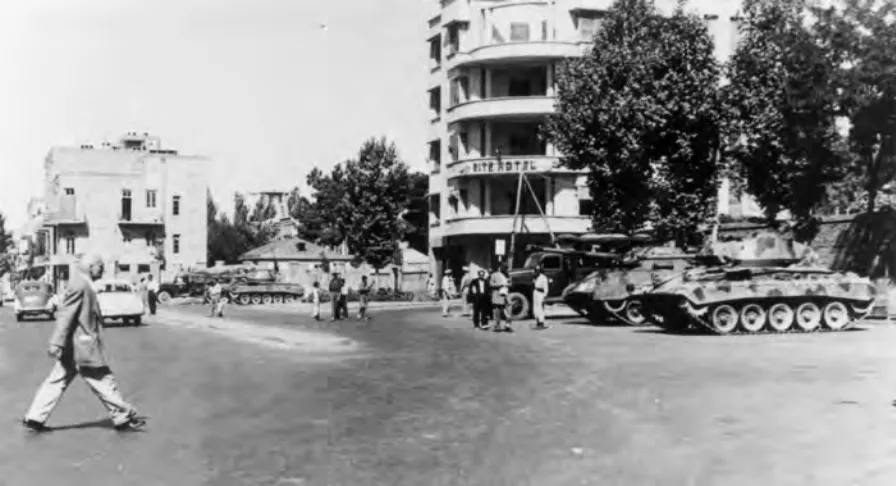
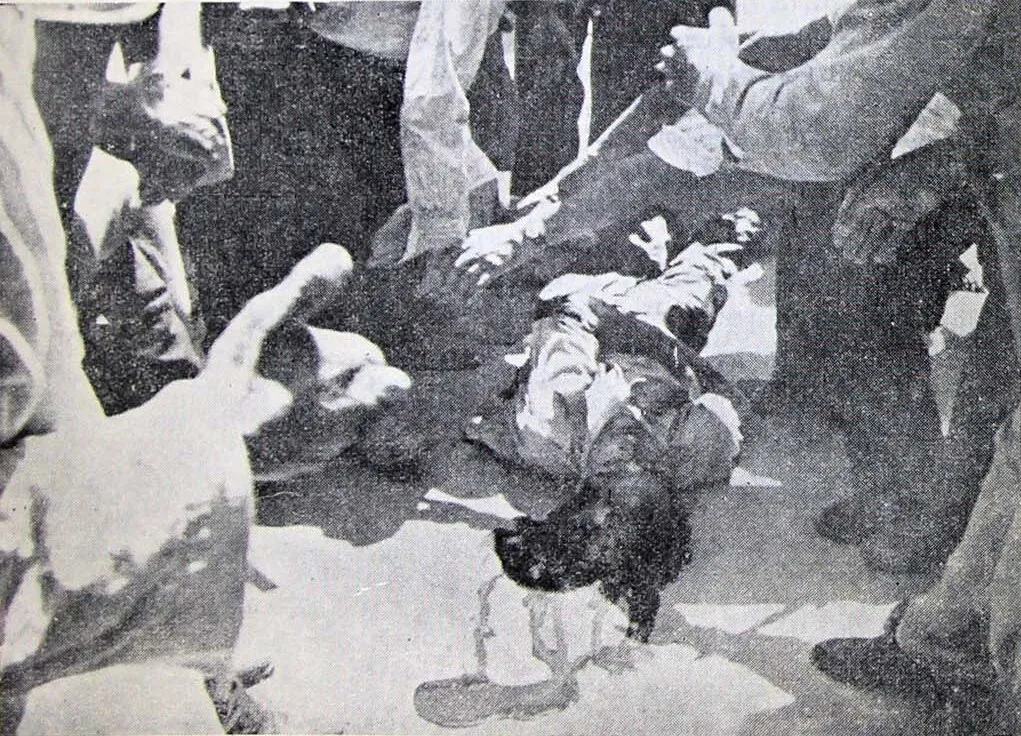
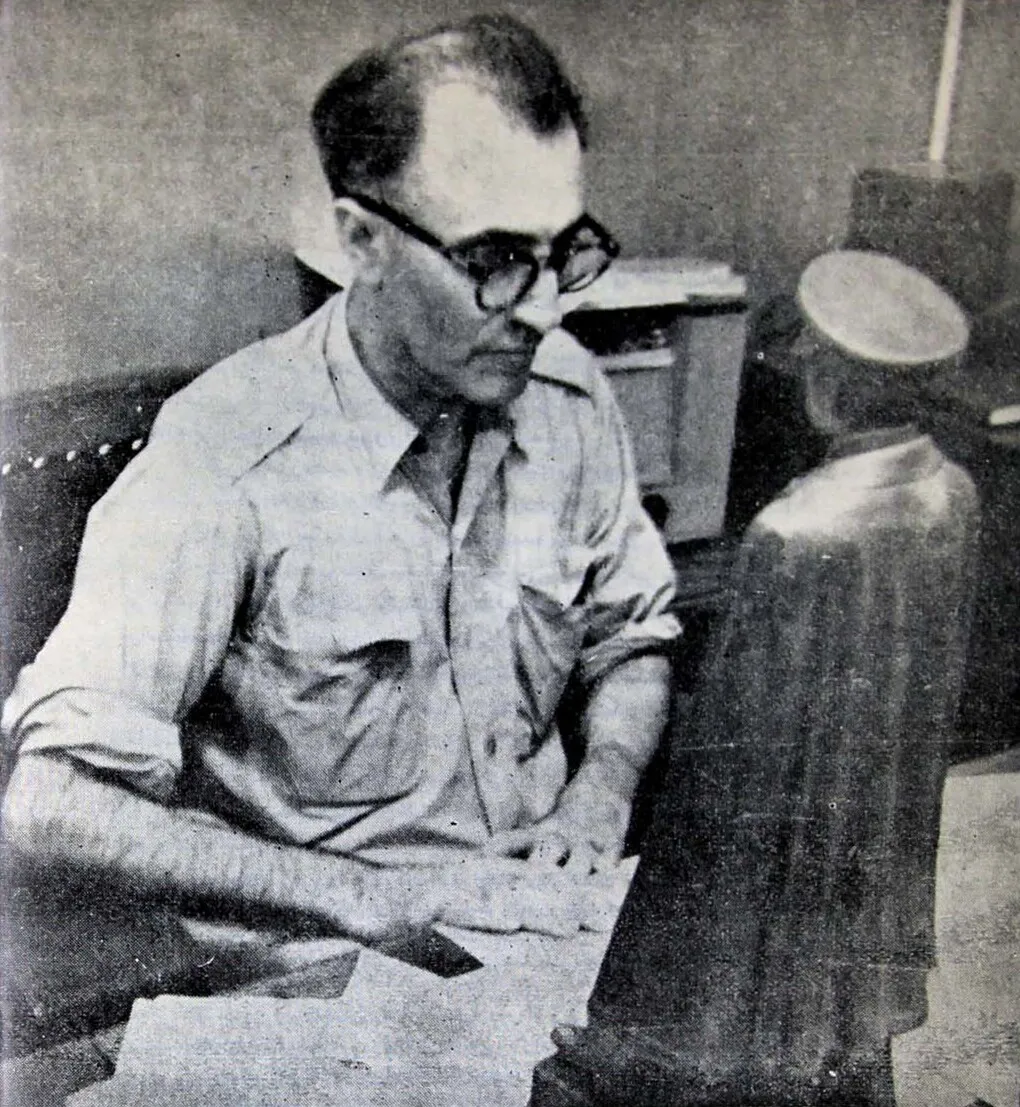
All photos are from Wikimedia Commons; each file’s licence tag was checked. Full list in public/media/ATTRIBUTION.txt.
Sources
- Mark J. Gasiorowski, Coup d’état of 1332 Š./1953, Encyclopaedia Iranica (1993) · link
The spine of the day-by-day account on this page.
- Malcolm Byrne (ed.), National Security Archive, CIA Confirms Role in 1953 Iran Coup, Electronic Briefing Book 435 (2013) · link
The CIA’s first formal acknowledgement, in the internal history “The Battle for Iran” (mid-1970s), with Kermit Roosevelt’s memos.
- Donald N. Wilber, Clandestine Service History: Overthrow of Premier Mossadeq of Iran, November 1952–August 1953 (1954 (published by the New York Times, 2000)) · link
The CIA’s internal history, written by the operation’s planner: the perpetrators’ own one-sided account.
- U.S. Department of State, Office of the Historian, Foreign Relations of the United States, 1952–1954, Iran, 1951–1954 (retrospective volume) (2017) · link
The official U.S. documentary record of the covert action, including document 254 on the referendum.
- Mark J. Gasiorowski, “The 1953 Coup d’État against Mosaddeq”, in Gasiorowski & Byrne (eds.), Mohammad Mosaddeq and the 1953 Coup in Iran, Syracuse UP (2004)
- Ervand Abrahamian, The Coup: 1953, the CIA, and the Roots of Modern U.S.–Iranian Relations, New Press (2013)
- Stephen Kinzer, All the Shah’s Men, Wiley (2003)
- Homa Katouzian, Musaddiq and the Struggle for Power in Iran, I.B. Tauris (1990)
- Fakhreddin Azimi, Iran: The Crisis of Democracy, 1941–1953, I.B. Tauris (1989)
- Darioush Bayandor, Iran and the CIA: The Fall of Mosaddeq Revisited, Palgrave Macmillan (2010)
Revisionist: the CIA attempt failed, and the clergy, Borujerdi above all, and domestic forces decided 19 August.
- Ray Takeyh, “What Really Happened in Iran”, Foreign Affairs 93/4 (2014) · link
Revisionist: calls the CIA’s impact “ultimately insignificant”.
- Fakhreddin Azimi, “The Overthrow of the Government of Mosaddeq Reconsidered”, Iranian Studies 45/5 (2012)
A reply to the revisionists: holds the foreign role decisive.
- Ali Rahnema, Behind the 1953 Coup in Iran: Thugs, Turncoats, Soldiers, and Spooks, Cambridge UP (2015)
- Saïd Amir Arjomand, Governance in the Constitutions of Iran: A Comparative Perspective, Aga Khan University ISMC (online) · link
- The New York Times, report on the referendum results, 4 August 1953 (1953)
- Encyclopaedia Iranica, Communism ii. In Persia from 1941 to 1953 (online) · link
- Encyclopaedia Iranica, Constitutional Revolution iii. The Constitution (online) · link
- Constituent Assembly of Iran (UK FO translation, British and Foreign State Papers 155), Law amending Article 48 of the Iranian Constitution, 8 May 1949 (1949) · link
- Encyclopaedia Iranica, Oil agreements in Iran (online) · link
- Kambiz Fattahi, BBC Persian, «کودتای ۲۸ مرداد؛ فرضیهها در مورد سند هزینهها» (the expense note in the Zahedi papers, Hoover Institution) (2018) · link
- Ervand Abrahamian, Khomeinism: Essays on the Islamic Republic, University of California Press, pp. 108–109 (1993)
- whatisrealfreedom, religion-and-freedom, docs/28mordad (six chapters) and the 28 Mordad chapters of the frontend (2026) · link
The list of claims and “distortion vs fact” pairs comes from this repository. Its own sources are Telegram channels, so every piece of evidence on this page is taken from the scholarly sources above.